For residents and workers in Downtown Sacramento, the culinary landscape is as diverse as the city itself. Yet, among the burger joints and farm-to-fork bistros that line the 95814 grid, North Indian cuisine stands out as a particularly complex and rewarding option. Stepping into an authentic Indian restaurant is an immersion into a world of intense aromas, vibrant colors, and centuries-old cooking techniques. However, for the uninitiated, the menu can be a labyrinth of unfamiliar terms. What is the difference between Makhani and Masala? Why is the Tandoor so important? And which bread should you actually order?
This comprehensive guide is designed to demystify North Indian cuisine for the Sacramento diner. We will move beyond the basics of “spicy vs. mild” and explore the history, technique, and cultural nuance that makes this food so special. Whether you are grabbing a quick lunch near the State Capitol or settling in for a family dinner after a Kings game, understanding the foundations of the menu will transform your meal from a simple dinner into a culinary experience.
The Geography of Flavor: Why “North” Matters
To understand the food, one must understand the map. India is a subcontinent with wildly varying climates and cultures. The food most Americans recognize as “Indian”—rich, creamy gravies, wheat-based breads, and roasted meats—hails primarily from the North, specifically the Punjab region. This area, known as the “Land of Five Rivers,” has a cooler climate than the tropical South. As a result, the cuisine is heavier, warming, and caloric, designed to sustain farmers through cold winters.
Unlike Southern Indian cuisine, which relies heavily on rice, coconut milk, and tamarind, North Indian cooking is built on dairy (ghee, yogurt, paneer, cream) and wheat. This is why you will find an extensive selection of breads like Naan and Roti, but rarely the fermented rice crepes (Dosas) of the South. In Downtown Sacramento, where Tandoori Fire is located, we specialize in this robust, heart-warming Northern style. It is food that hugs you—perfect for the often chilly winter evenings in the valley. You can read more about our specific culinary roots and philosophy on our About Us page.
The Heart of the Kitchen: The Tandoor (Clay Oven)
If there is one tool that defines North Indian cooking, it is the Tandoor. This is not just an oven; it is an ancient technique. A traditional Tandoor is a cylindrical clay pot, often sunk into the ground or encased in a stainless steel drum, heated by a charcoal or wood fire at the base. The temperature inside can reach a blistering 900°F (480°C).
This intense, dry heat does two things simultaneously:
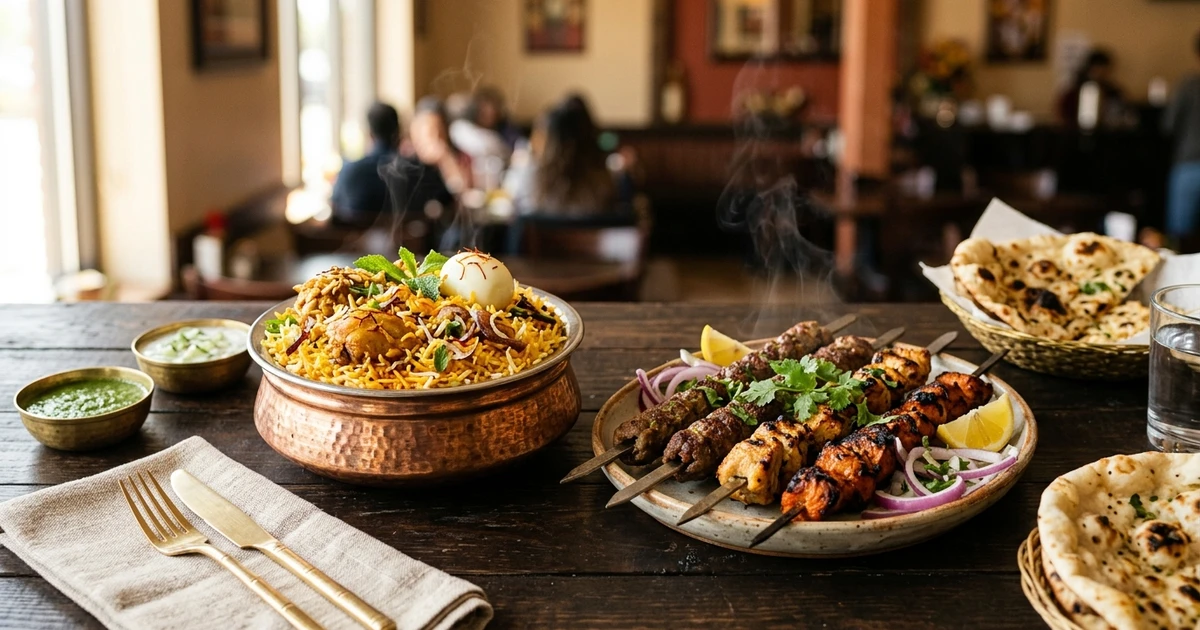
- Roasting: Meats placed on long metal skewers are lowered into the center of the oven. The high heat sears the outside instantly, locking in juices, while the smoky environment infuses the meat with a distinct charcoal flavor. This is how dishes like Tandoori Chicken, Chicken Tikka, and Seekh Kebabs are created. They are not “curries”; they are dry, roasted meats, often served on a sizzling platter with onions and lemon.
- Baking: Breads are cooked by slapping the dough directly onto the glowing hot inner walls of the clay pot. Gravity pulls the dough into a teardrop shape, and the intense heat puffs it up in seconds, creating a bread that is soft and fluffy on the inside but crisp and charred on the outside.
When you order a “Tandoori” item, you are ordering a piece of history. You are tasting the result of a cooking method that dates back to the Bronze Age, preserved right here on 9th Street.
Decoding the Curries: A Glossary of Gravies
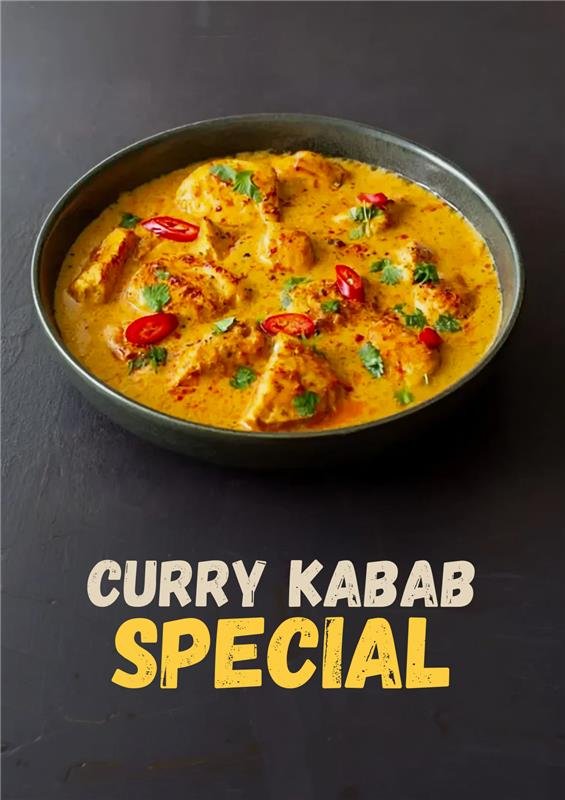
The “Curry” section of the Menu is where most confusion lies. In North Indian cooking, a gravy is a labor of love, often taking hours to prepare. Here is a breakdown of the primary sauce families you will encounter:
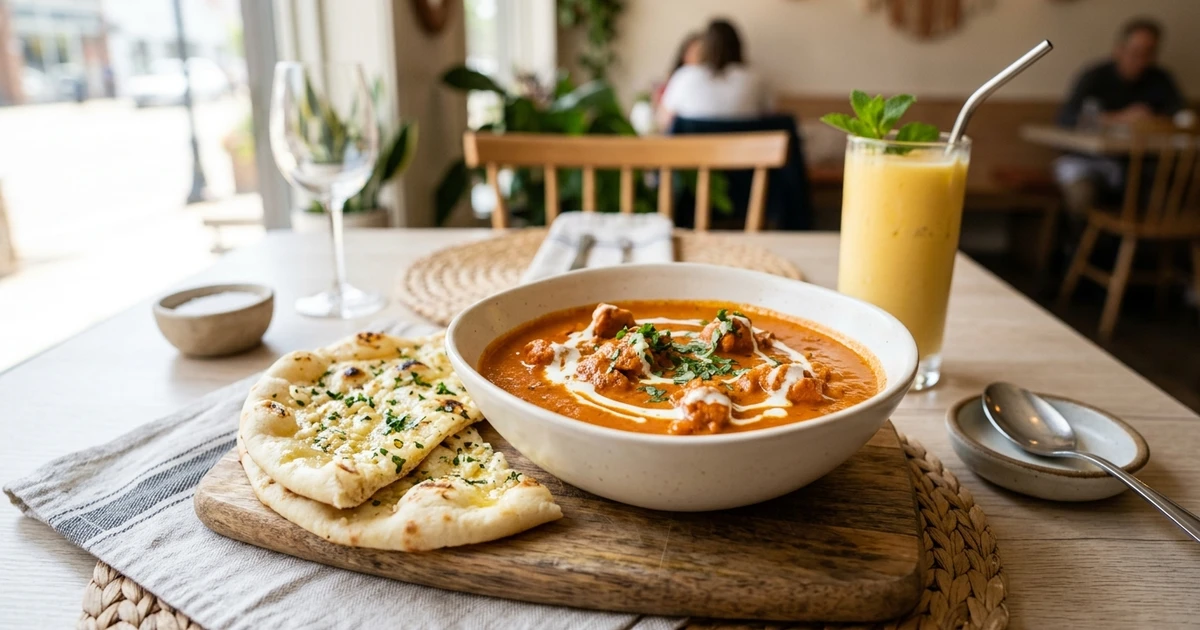
- Makhani (Butter): The world-famous “Butter Chicken” uses a Makhani sauce. It is a tomato-based gravy finished with copious amounts of butter (makhan) and cream, flavored with dried fenugreek leaves (kasuri methi). It is mild, slightly sweet, and incredibly rich.
- Masala (Tikka Masala): While similar to Makhani, a Masala sauce is more complex. It starts with a base of onions, garlic, and ginger sautéed until golden brown, then combined with tomatoes and a spice blend. It is less creamy than Makhani and has a more savory, spiced edge.
- Korma: This is the dish of royalty. Korma gravies are thickened not with flour, but with nut pastes (usually cashew or almond), yogurt, and sometimes fried onions. The result is a velvety, pale yellow sauce that is mild, nutty, and aromatic with cardamom.
- Karahi: Named after the steep-sided wok it is cooked in, Karahi dishes are stir-fries. The gravy is reduced until it clings to the meat and vegetables. It features visible chunks of bell peppers, onions, and fresh tomatoes, offering a fresher, more textured bite than the smooth blended sauces.
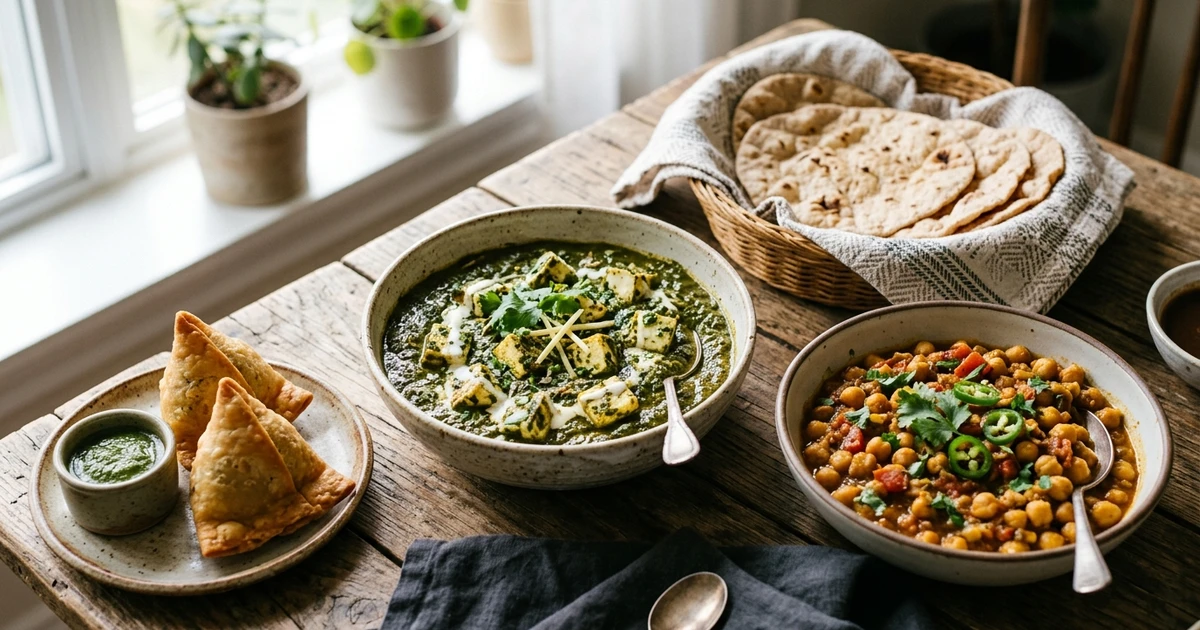
- Saag (Spinach): This green gravy is made from leafy greens (spinach, mustard greens) cooked down with spices and cream. It is earthy, iron-rich, and often paired with Paneer (cheese) or Lamb.
- Vindaloo: A dish with Portuguese roots, this is the fiery option. It uses vinegar and potent red chilies to create a sharp, tangy, and spicy sauce. It is strictly for those who enjoy heat.
The Bread Basket: More Than Just Naan
While Garlic Naan is the undisputed king of popularity, it is just one option in a vast bread repertoire. Understanding the differences can help you pair the right bread with your meal.
- Naan: Made from refined white flour (maida) and leavened with yeast or yogurt. It is soft, pillowy, and slightly chewy. It pairs best with rich, creamy sauces like Butter Chicken because its fluffiness soaks up the gravy.
- Roti (Tandoori Roti): Made from stone-ground whole wheat flour and unleavened. It is thinner, denser, and has a nuttier flavor than Naan. It is a staple daily bread in North India and pairs beautifully with drier vegetable dishes or lentils.
- Paratha: A layered, flaky whole wheat bread. The dough is rolled out, brushed with ghee, folded, and rolled again (similar to a croissant). It can be plain or stuffed (Aloo Paratha with potatoes). It is rich and heavy—a meal in itself.
- Kulcha: A leavened bread similar to Naan but often made with milk and baking powder, giving it a biscuit-like texture. It is usually stuffed with onions or paneer.
Navigating Dietary Needs: Vegetarian and Halal
One of the strengths of North Indian cuisine is its inclusivity. For the significant vegetarian population in Sacramento, an Indian menu is a safe haven. Unlike Western cuisines where vegetarian options are often afterthoughts, Indian vegetable dishes are main events.
- Dal (Lentils): There are two main types. Dal Makhani (black lentils) is rich and creamy, often considered a special occasion dish. Yellow Dal (Dal Tadka) is lighter, made from yellow split peas and tempered with cumin and garlic—perfect for a lighter lunch.
- Paneer: This fresh, non-melting farmer’s cheese is a protein powerhouse. Its firm texture allows it to stand in for meat in almost any curry sauce.
- Aloo Gobi & Bhindi: For vegans, dishes like Aloo Gobi (potato and cauliflower) and Bhindi Masala (okra) are usually dairy-free. However, always ask, as some kitchens finish these with a splash of ghee.
Regarding meat, authentic North Indian restaurants like Tandoori Fire often serve Halal meat. This means the meat is sourced and prepared according to Islamic dietary laws, ensuring it is cleaner and more ethically harvested. This makes the cuisine accessible to Sacramento’s Muslim community and anyone who prefers higher-quality meat sourcing.
A Note on Spice Levels
“Spice” has two meanings in Indian food: heat (chilies) and flavor (spices like cumin, coriander, cinnamon). A dish can be “spicy” (flavorful) without being “hot.” When a server asks for your spice level, they are asking about chili heat.
- Mild: No chili heat. You taste only the aromatic spices.
- Medium: A gentle warmth at the back of the throat.
- Hot: Significant chili presence that builds over the meal.
- Indian Hot: Uncompromising heat, usually using fresh green chilies or potent red chili powder. Proceed with caution.
Conclusion: Exploring the Menu
The next time you find yourself on the 9th Street corridor looking for dinner, resist the urge to order the same dish you always get. Try a Karahi instead of a Makhani. Swap your Naan for a Roti. Order a Goat Curry to experience a protein that is a delicacy in Punjabi culture.
Downtown Sacramento is home to a vibrant culinary scene, and North Indian cuisine is one of its most flavorful pillars. By understanding the techniques behind the Tandoor and the nuance of the gravies, you honor the history of the food and guarantee yourself a more delicious experience. The menu is an invitation to explore—accept it with an open mind and an empty stomach.
Frequently Asked Questions (FAQ)
Q: What is the best dish for a beginner to order? A: Butter Chicken (Makhani) or Chicken Tikka Masala are the best starting points. Both have rich, creamy tomato-based sauces that are flavorful but mild on heat. Pair them with Garlic Naan for the complete experience.
Q: Is North Indian food gluten-free? A: Most curries (meat and vegetable) and rice dishes are naturally gluten-free. However, you must avoid the breads (Naan, Roti) and appetizers with pastry shells (Samosas). Always ask your server to be sure about thickeners used in sauces.
Q: What makes Tandoori chicken red? A: The signature red color comes from the marinade, which typically includes Kashmiri chili powder (mild but colorful) and sometimes a drop of natural food coloring, mixed with yogurt and turmeric.
Q: Do you offer vegan options? A: Yes. Many vegetable dishes like Chana Masala (chickpeas), Bhindi Masala (okra), and Yellow Dal are naturally vegan. Be sure to specify “no ghee” (clarified butter) when ordering to be safe.